
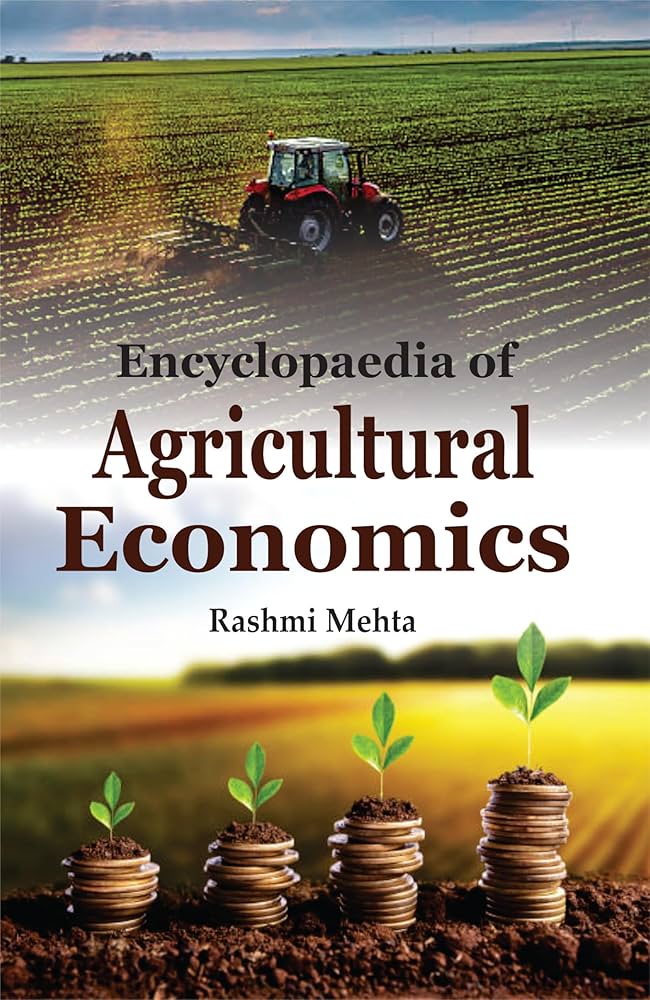
Agricultural Economics applies economic principles to farming and food systems, studying how to efficiently use resources (land, labor, capital) for production, manage farm businesses, analyze markets (supply/demand, pricing), design policies (subsidies, trade), and understand the broader economic development role of agriculture, focusing on profitability, sustainability, and food security. It bridges farming practices with economic theory to solve real-world problems in food and resource allocation.
Key Areas of Study:
- Farm Management: Optimizing resource use (land, water, labor) for maximum profit, using techniques like cost analysis and production functions.
- Agricultural Marketing: Understanding supply, demand, price determination, market structures, and efficiency in getting food from farm to consumer.
- Policy & Trade: Analyzing government interventions like subsidies, price supports, and trade policies, and their impact on farmers and consumers.
- Resource Economics & Environment: Managing scarce natural resources (water, soil) and addressing environmental impacts and sustainability.
- Rural Development: Studying agriculture's role in economic growth, poverty reduction, and improving rural livelihoods.
- Food & Consumer Behavior: Examining consumer choices, food security, and the economics of nutrition.
Why It Matters:
- Increases Efficiency: Helps farmers make better decisions to maximize income with minimal cost.
- Drives Development: A strong agricultural sector provides food surpluses, which are crucial for industrial and technological growth in developing nations.
- Informs Policy: Provides data for creating effective farm and food policies.
- Connects Sectors: Shows the vital link between agriculture, industry, and the overall economy.


0 comments:
Post a Comment